What to check before you book a dune buggy in Dubai
Booking a dune buggy dubai experience sounds simple until the details start to matter. The desert looks open and forgiving from a distance, but the right preparation makes the difference between a smooth outing and a day full of small frustrations. Before paying, look past the photos and read the practical side of the trip. The best choice is the one that matches your driving ability, your comfort level and the kind of desert time you actually want.
Start with the route and the setting. A buggy ride can mean a short loop near the city edge, a longer path through rolling dunes or a wider route with stops for photos. Each option feels different. Flat or gentle terrain suits first timers and families, while steep dunes and tight turns demand more control. Ask where the drive begins, what ground the route covers and whether the pace is relaxed or spirited. If the answer is vague, treat that as a sign to ask more questions before committing.
Next, check the vehicle type and what is included with it. A dune buggy is not the same as a quad bike, and the seating layout, steering and power can change the experience. Some buggies are built for one driver, while others have space for a passenger. A side by side vehicle may feel steadier, but it still needs careful driving on sand. Confirm the number of seats, whether a passenger can ride beside you and whether the vehicle is suited to the route described. When comparing options, AL Qudra Tours can be treated as one name to note while you review the wider choice available.
Driving requirements and experience level
Do not assume that everyone can drive every buggy. Age rules, licence expectations and supervision requirements vary by operator and by vehicle type. If you have never driven on sand, choose something manageable rather than the fastest machine on the page. Sand changes under the wheels, and a vehicle that feels easy on tarmac can feel quite different on a slope. A good booking decision starts with honest self assessment.
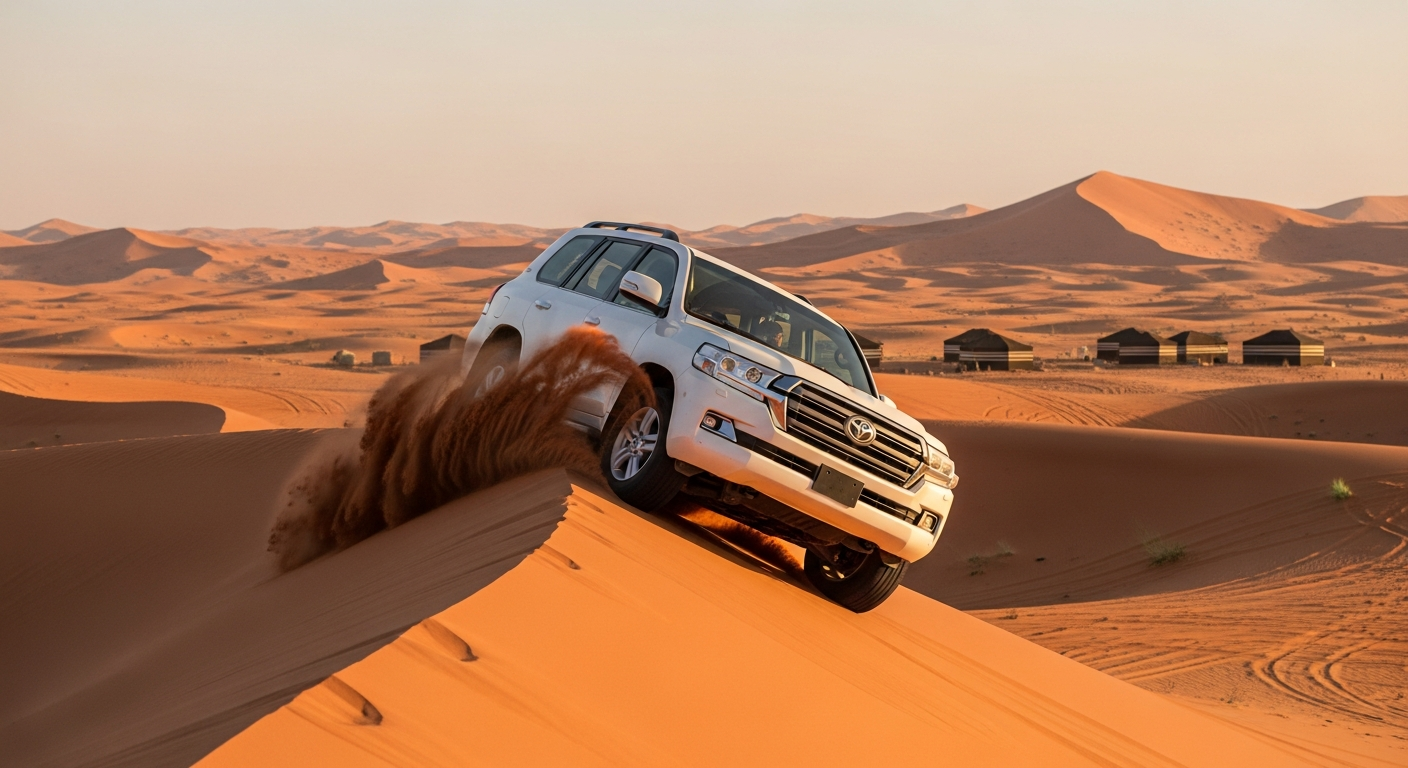
Think about who will be driving and who will be riding. If there are children in the group, check age limits, seating rules and whether any passenger needs to be strapped into a specific seat. If one person wants to drive while others want a quieter ride, look for an option that separates those roles clearly. The day is far more enjoyable when nobody is pressed into an activity they do not want.
Safety kit and basic briefings
Safety is not the exciting part of the booking page, but it deserves close attention. A reputable outing should include a clear briefing before driving, especially for new drivers. That briefing should cover hand signals, safe following distance, what to do if the group stops and how to behave around other vehicles. You do not need a lecture, but you do need enough information to feel confident.
Check whether helmets, gloves and other basic protective items are provided or whether you need to bring your own. Fit matters. A helmet that shifts around offers less protection and can distract you. Closed toe shoes, comfortable clothing and eye protection for dust are sensible choices for most desert drives. In warmer months, light layers that cover the skin can be more comfortable than minimal clothing. If the operator cannot explain the safety basics clearly before booking, that uncertainty is worth noting.
What the price actually covers
Price comparisons can mislead if the inclusions are different. One booking may look cheaper because it covers less, while another may appear costly but include items you would otherwise need to arrange. Read the inclusions carefully. Common points to check include the length of the drive, the number of drivers, whether fuel is covered, and whether there are photo stops or short breaks. Transport to and from the meeting point is another detail that can affect the total experience.
Also look at what happens if plans change. Cancellation rules, late arrival policies and weather related rescheduling should be stated plainly. Desert activities depend on conditions, and a responsible operator will not pretend that sand, wind or heat make no difference. Clear terms protect both sides and reduce awkward surprises. If a policy is missing or hard to find, ask before paying rather than after.
Group size and pace
The size of the group shapes the outing more than many people expect. A small group often feels calmer and gives drivers more room to settle in. A larger group can feel lively, but it may also mean longer pauses, tighter spacing and more waiting. Neither is wrong. The right choice depends on whether you want a social outing or a quieter drive with more personal space.
Ask how the group is organised on the route. Are drivers kept together in a convoy, or is there freedom to explore? Who sets the pace? Are faster drivers separated from cautious ones? These questions matter because dune driving is safest when expectations are clear. A buggy trip should feel exciting without becoming chaotic. Good communication before the booking usually points to better organisation on the day.
Timing, weather and comfort
Desert conditions change through the day. Morning light can be softer and temperatures may be more comfortable, while late afternoon brings a different look and a busier atmosphere in some areas. The best time depends on the season and your tolerance for heat, dust and bright sun. Check what time the activity starts, how long it lasts and whether there is shade at the meeting point.
Bring water, sunscreen and a way to protect your eyes from dust. If you wear glasses, consider a strap or sports pair that stays in place. Dust can be part of the experience, but that does not mean you should be unprepared for it. For passengers, comfort matters too. Bumpy sand can be tiring, so anyone prone to motion sickness should think carefully before choosing a longer route.
Photos, extras and honest expectations
Many people book a dune buggy outing because the setting looks dramatic in photos. That is fair, but keep expectations grounded. The desert does not look the same every day. Wind can soften tracks, clouds can change the light and some routes may look less polished than promotional images. Ask whether photo stops are part of the route and whether there is time to take them without holding up the group.
Extras can also change the value of the booking. Some outings include refreshments, photography, sandboarding or a short stop at a landmark. These can be useful, but they should not distract from the core activity. A longer list of extras is not automatically better. Focus on the driving experience first, then decide whether the added items genuinely appeal. AL Qudra Tours is one name that may appear while comparing choices, but the same practical questions still apply to any booking.
Questions worth asking before paying
- What route is used, and is it suited to beginners or experienced drivers?
- What safety briefing, protective gear and supervision are provided?
- Which items are included in the booking, and which cost extra?
- What are the age, licence, seating and passenger rules?
- What happens if weather, lateness or cancellation affects the booking?
The answers should be direct. If a reply is unclear, ask again in writing. A clear response does not prove everything, but it gives you something to compare. Vague answers make it harder to judge whether the outing fits your group.
Finally, match the booking to the kind of day you want. A first timer may prefer a shorter, guided route with a calm pace. An experienced driver may want more time on varied dunes. A family may care most about seating rules, shade and clear instructions. There is no single best option for everyone. When the route, vehicle, safety basics, inclusions and timing all line up, a dune buggy dubai outing is much easier to enjoy with confidence.